Kelimeler1 / 4
1. bölüm · Kelimeler
Dört temel bağlaç
Şimdiye kadar öğrendiğimiz kısa cümleleri bu dört küçük kelimeyle birbirine bağlayıp çok daha doğal konuşabiliriz.
Kelimeye dokun; İngilizce okunur.
2. bölüm · Gramer
Ekleme, zıtlık ve seçenek: and · but · or
Benzer iki şeyi yan yana eklerken and (ve), beklenmedik bir zıtlık söylerken but (ama), iki seçenek arasında sorarken or (veya / yoksa) kullanılır.
Fotoğraflardaki durumlara bak:
Süt ve balık · dolu ama yemiyor · ekmek mi elma mı?
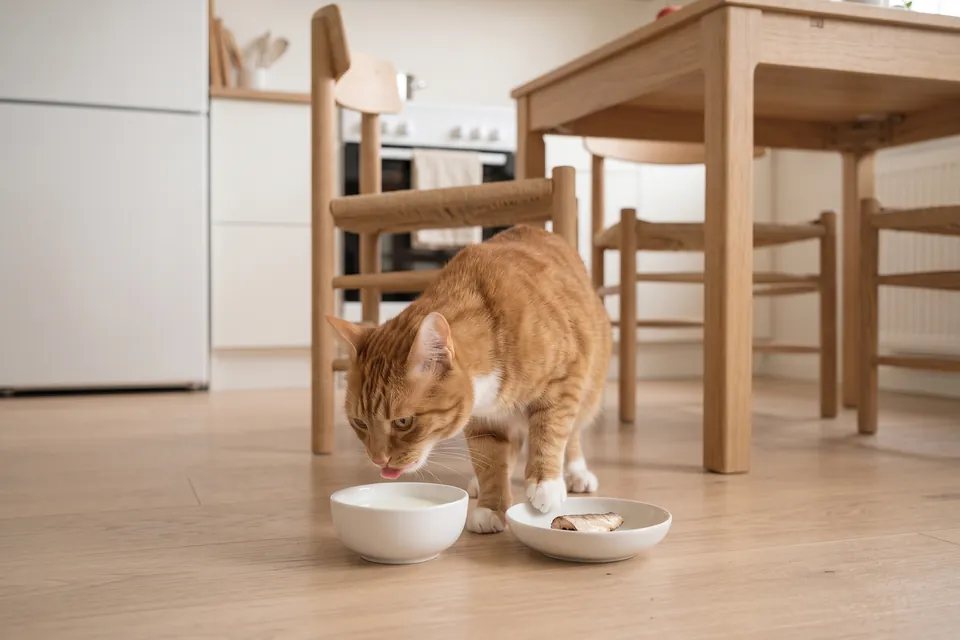 and · ekleme
There is milk and fish on the floor.
Yerde süt ve balık var.
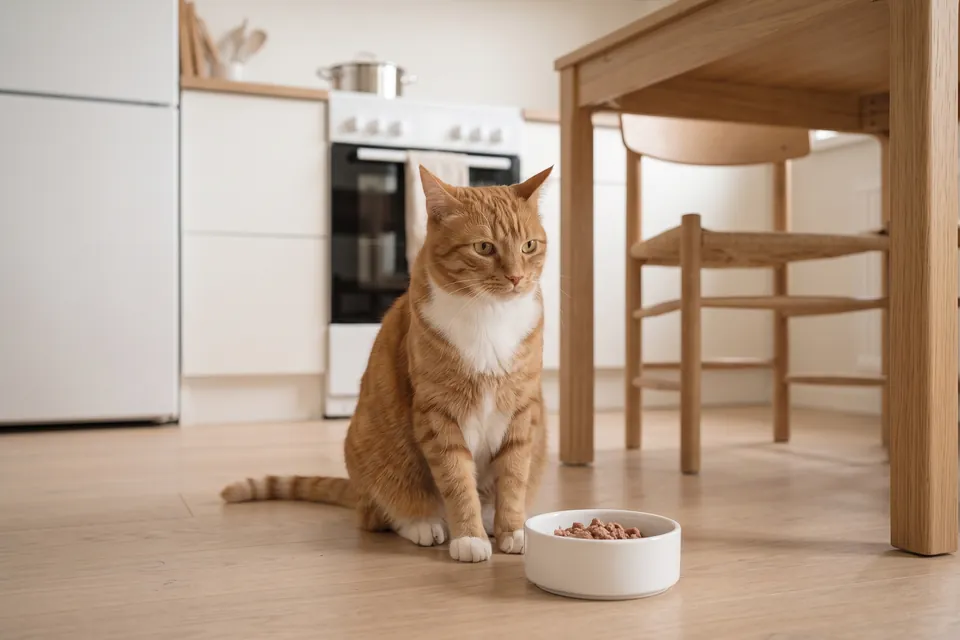 but · zıtlık
The bowl is full, but the cat isn’t hungry.
Kap dolu ama kedi aç değil.
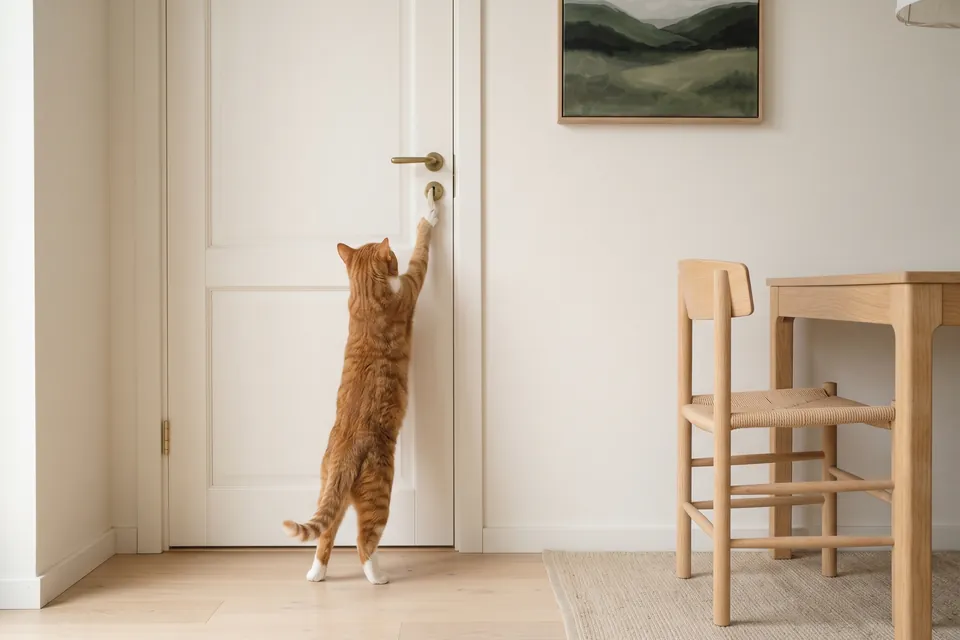 but · zıtlık
It wants to go out, but the door is closed.
Dışarı çıkmak istiyor ama kapı kapalı.
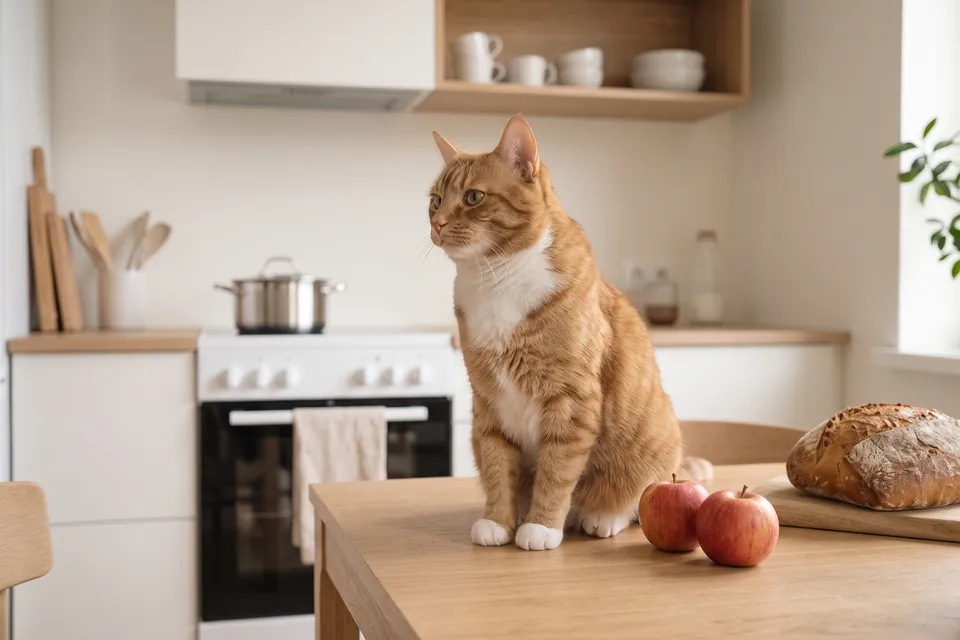 or · seçenek
Does the cat want bread or apples?
Kedi ekmek mi yoksa elma mı istiyor?
olumsuz + orIt doesn’t want bread or apples.
Ekmek ya da elma istemiyor.
She can speak English, but she can’t speak German.
İngilizce konuşabiliyor ama Almanca konuşamıyor.
Do you want tea or coffee?
Çay mı istersin yoksa kahve mi?
Önemli incelik: Olumlu cümlede I like tea and coffee deriz; ama cümle olumsuzsa (don’t, doesn’t, can’t) iki şeyi sayarken and değil or kullanılır: I don’t like tea or coffee.
İki tam cümleyi but ile bağlarken but kelimesinden hemen önce virgül konması okumayı kolaylaştırır.
and · but · or karşılaştırması
Aynı cümlenin bağlaç değiştikçe nasıl anlam değiştirdiğine bak.
| Bağlaç | Görev | Örnek |
|---|---|---|
| and | iki olumlu şeyi birleştirir (+ / +) | The room is warm and clean. |
| but | iki zıt durumu bağlar (+ / -) | The room is small, but it is clean. |
| or | soruda seçenek sunar (? / ?) | Is the door open or closed? |
| or | olumsuzda iki şeyi reddeder (- / -) | I don’t drink tea or coffee. |
3. bölüm · Gramer
Sebep açıklama: because + tam cümle
Türkçede «Yağmur yüzünden evdeyim» veya «Yorgun olduğum için yatıyorum» diyebiliriz. İngilizcede because (çünkü / -dığı için) kelimesinden sonra mutlaka öznesi ve fiili olan tam bir cümle gelir.
Why …? (Neden?) sorusunun cevabı da her zaman because ile verilir:
- Why is the cat in the kitchen? – Because it is hungry.
- Why do you study English? – Because I love languages.
Neden miyavlıyor, neden içeride?
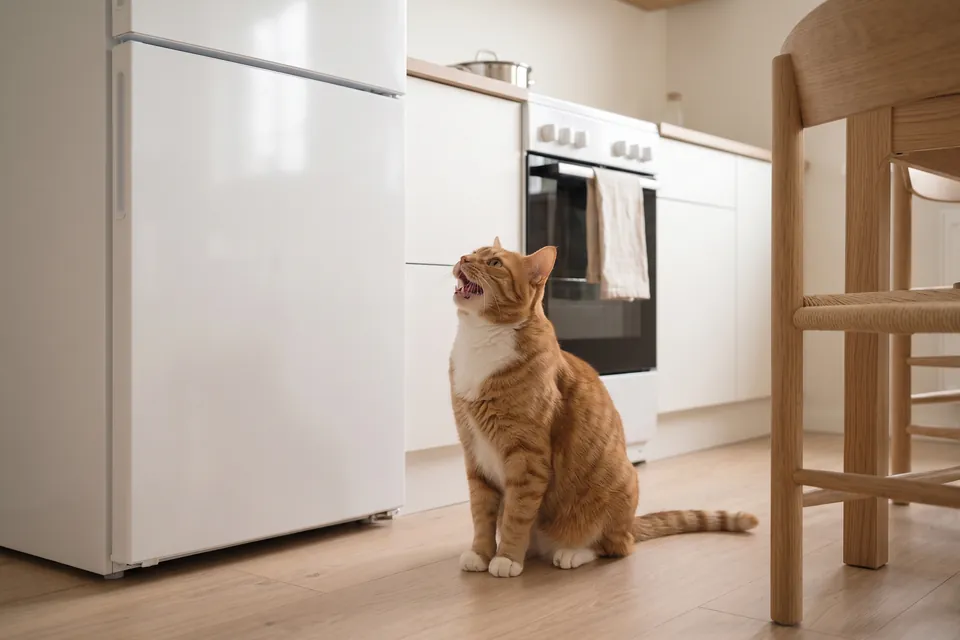 because + it is
The cat is meowing because it is hungry.
Kedi miyavlıyor çünkü aç (aç olduğu için).
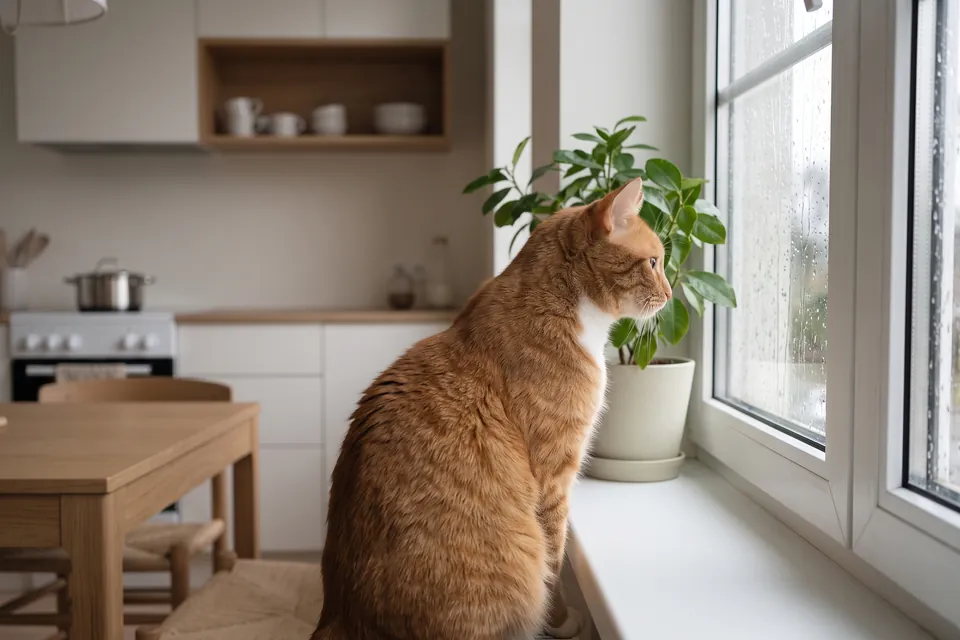 because + it is
It stays inside because it is raining.
İçeride kalıyor çünkü yağmur yağıyor.
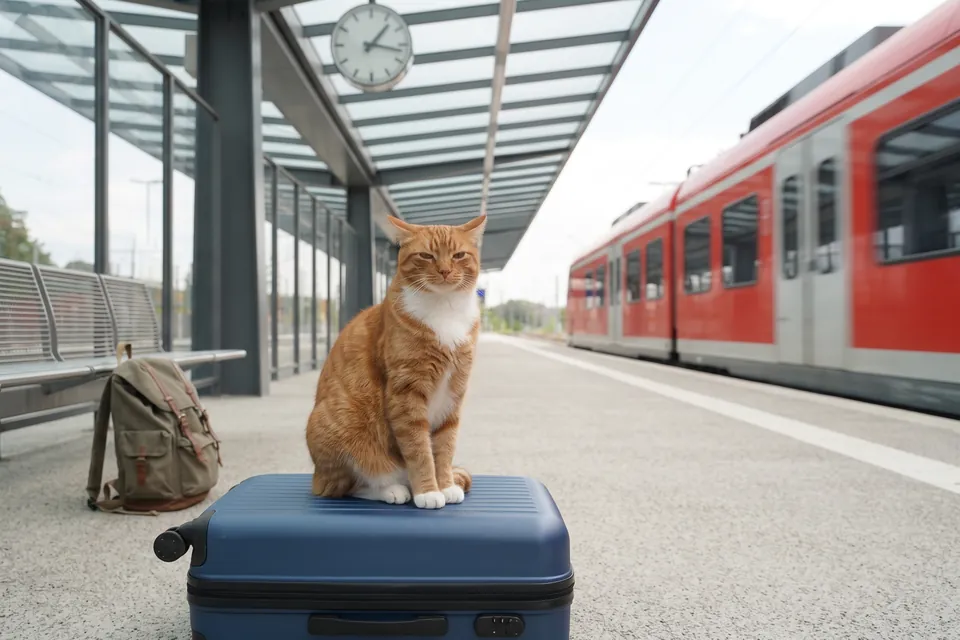 because + cümle
The cat is afraid because the train is loud.
Kedi korkuyor çünkü tren çok gürültülü.
 because + it is
It is yawning because it is very sleepy.
Esniyor çünkü çok uykulu.
I’m tired because I work a lot.
Yorgunum çünkü çok çalışıyorum.
It is cold, so we are at home.
Hava soğuk, bu yüzden evdeyiz.
En sık hata: I stay at home because rain ya da because cold demek. because arkasına tek kelime almaz; özne ve fiil şarttır: because it is raining · because it is cold.
because (sebep) ile so (sonuç) birbirinin tersidir: I am tired because I work a lot = I work a lot, so I am tired.
because (sebep) ↔ so (sonuç)
because arkasına sebebi alır; so arkasına sonucu alır.
| Bağlaç | Anlamı | Örnek cümle |
|---|---|---|
| because + sebep | çünkü · -dığı için | The cat drinks water because it is thirsty. |
| so + sonuç | bu yüzden · dolayısıyla | The cat is thirsty, so it drinks water. |
4. bölüm · Alıştırma
Doğru bağlacı seç
İki cümle arasındaki ilişkiye bak: ekleme mi (and), zıtlık mı (but), seçenek mi (or), yoksa sebep mi (because)?
-
1
The cat is meowing it is very hungry.
İkinci cümle kedinin neden miyavladığını (sebebini) açıklıyor → because.
-
2
The cat wants to go out, the white door is closed.
Dışarı çıkmak istemesi ile kapının kapalı olması arasında zıtlık (engel) vardır → but.
-
3
There is milk fish in the kitchen.
İki şeyi birbirine eklerken and (ve) kullanılır.
-
4
Do you want to go by train by bus?
Trenle mi yoksa otobüsle mi gitmek istersin?
Soruda iki seçenek sunulurken or (yoksa / veya) kullanılır.
-
5
We stay at home today because .
because sonrasında tek kelime gelmez, özne ve fiilli tam cümle gerekir: because it is raining.
-
6
The cat doesn’t eat bread apples.
Olumsuz fiilden (doesn’t eat) sonra iki şeyi sıralarken or kullanılır.
-
7
She can read English, she can’t speak it well.
İngilizce okuyabiliyor ama iyi konuşamıyor.
Olumlu (can read) ve olumsuz (can’t speak) iki zıt durumu but bağlar.
-
8
The cat is very sleepy, it goes to its basket.
Uykulu olması sebep, sepete gitmesi ise sonuçtur → so (bu yüzden).