Kalıplar1 / 4
1. bölüm · Kalıplar
Olumsuz ve soru kalıpları
Geniş zamanda «yapmam, sevmez, ister misin?» derken devreye do ve does yardımcı kelimeleri girer.
Kalıba dokun; İngilizce okunur.
2. bölüm · Gramer
Olumsuz: don’t ve doesn’t
I, you, we, they öznelerinden sonra don’t; he, she, it öznelerinden sonra ise doesn’t gelir.
En önemli kural: doesn’t geldiği anda fiilin sonundaki -s düşer, fiil tertemiz yalın haline döner:
Kedi bugün ne istemiyor?
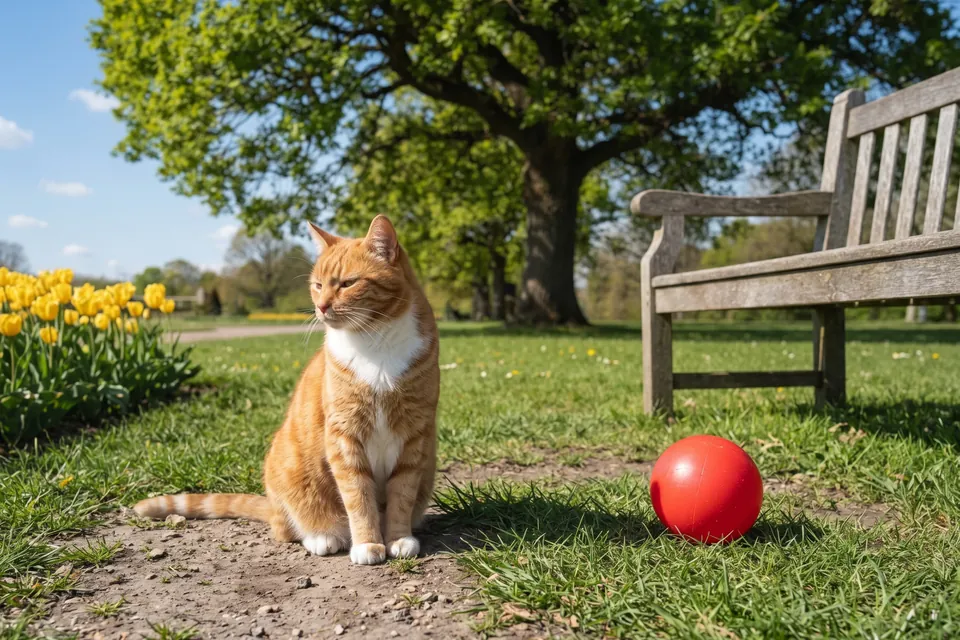 doesn’t + yalın
The cat doesn’t want the red ball.
Kedi kırmızı topu istemiyor.
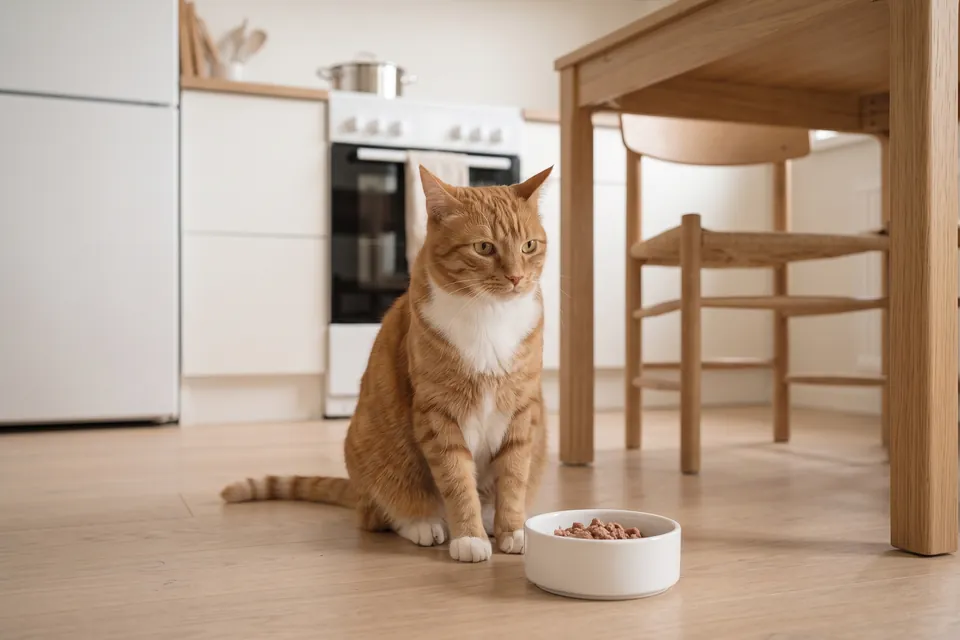 doesn’t + yalın
It doesn’t like this food.
Bu mamayı sevmiyor.
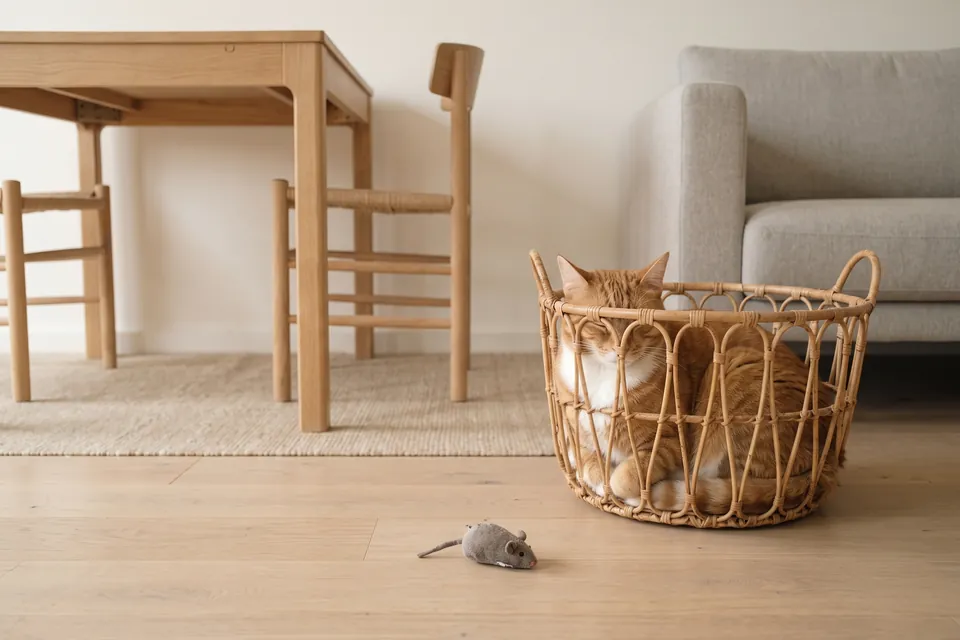 doesn’t + yalın
It doesn’t play with the toy mouse.
Oyuncak fareyle oynamaz.
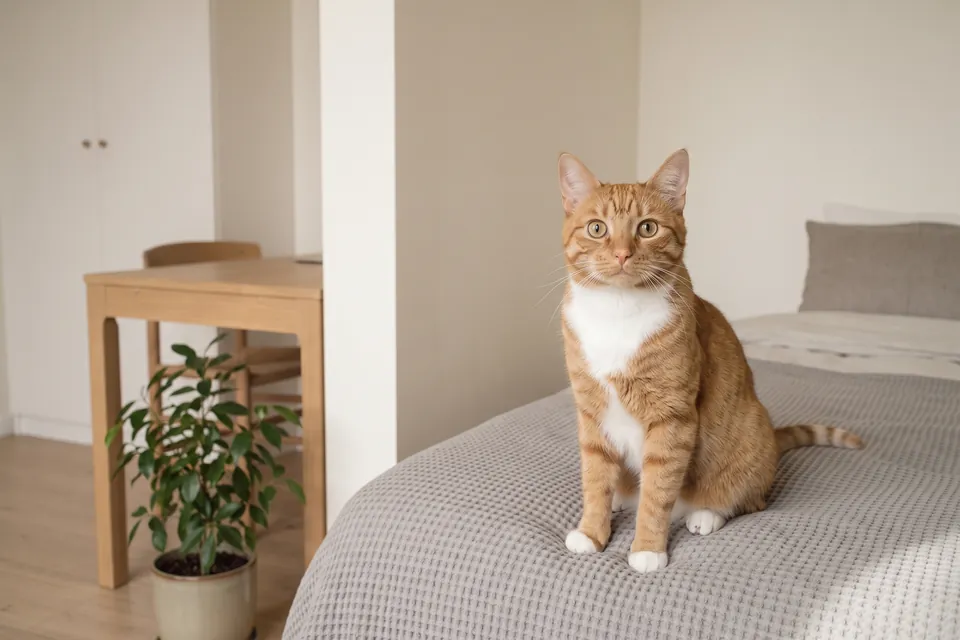 doesn’t + yalın
The cat doesn’t sleep in the morning.
Kedi sabahları uyumaz.
I don’t drink coffee at night.
Gece kahve içmem.
We don’t work on Sunday.
Pazar günü çalışmayız.
My brother doesn’t live in Ankara.
Erkek kardeşim Ankara’da yaşamıyor.
En sık hata: She doesn’t likes tea. Cümlede doesn’t varsa -s zaten oradadır; fiile ikinci kez -s eklenmez: She doesn’t like tea.
Aynı kural has için de geçerlidir: olumluda She has a car, olumsuzda ise yalın hale dönerek She doesn’t have a car olur.
Olumlu ve olumsuz yan yana
doesn’t kelimesi -s ekini kendi üstüne alır; ana fiilde -s kalmaz.
| Özne | Olumlu | Olumsuz |
|---|---|---|
| I · you · we · they | I like tea. | I don’t like tea. |
| he · she · it | She likes tea. | She doesn’t like tea. |
| he · she · it (have) | It has food. | It doesn’t have food. |
Uzun ve kısa yazılış:
- do not = don’t
- does not = doesn’t
3. bölüm · Gramer
Soru ve kısa cevap: Do you …? · Does it …?
Türkçede soru için cümlenin sonuna «mi / mı» ekleriz. İngilizcede ise cümlenin en başına Do veya Does gelir.
Cevap verirken fiili tekrarlamana gerek yoktur; Yes, I do ya da No, it doesn’t yeterlidir:
- Do you like coffee? – Yes, I do. / No, I don’t.
- Does she work here? – Yes, she does. / No, she doesn’t.
- Does the cat eat fish? – Yes, it does. / No, it doesn’t.
Soru sor, kısaca cevapla
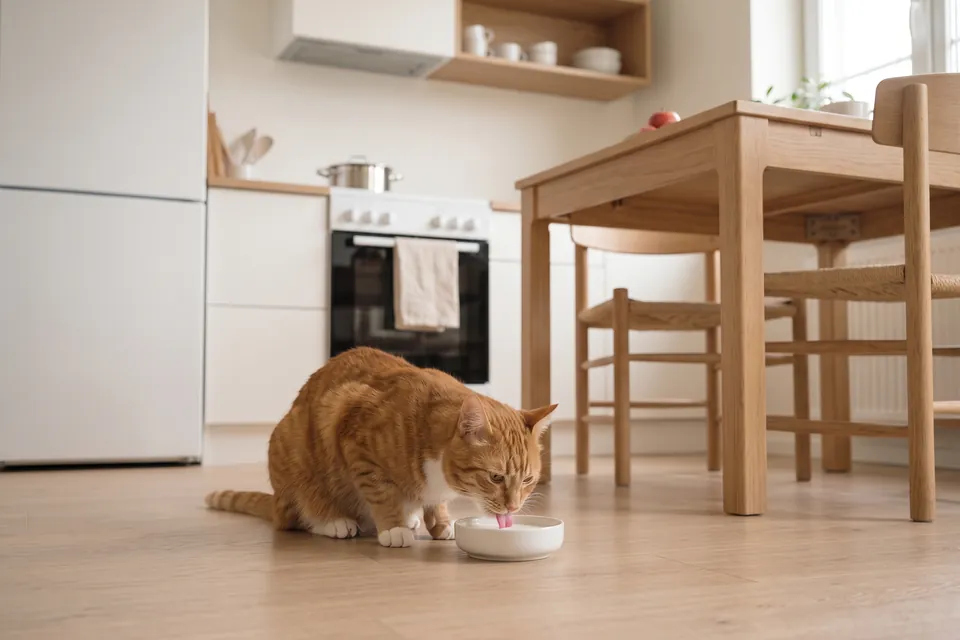 Does + it
Does the cat drink milk?
Kedi süt içer mi?
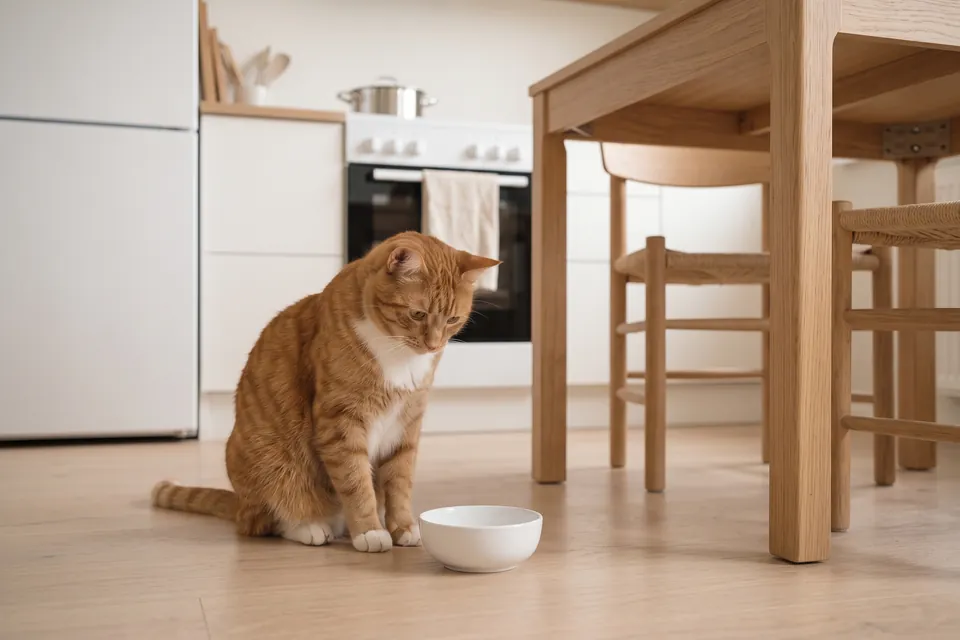 Does + it
Does it have food in the bowl?
Kapta maması var mı?
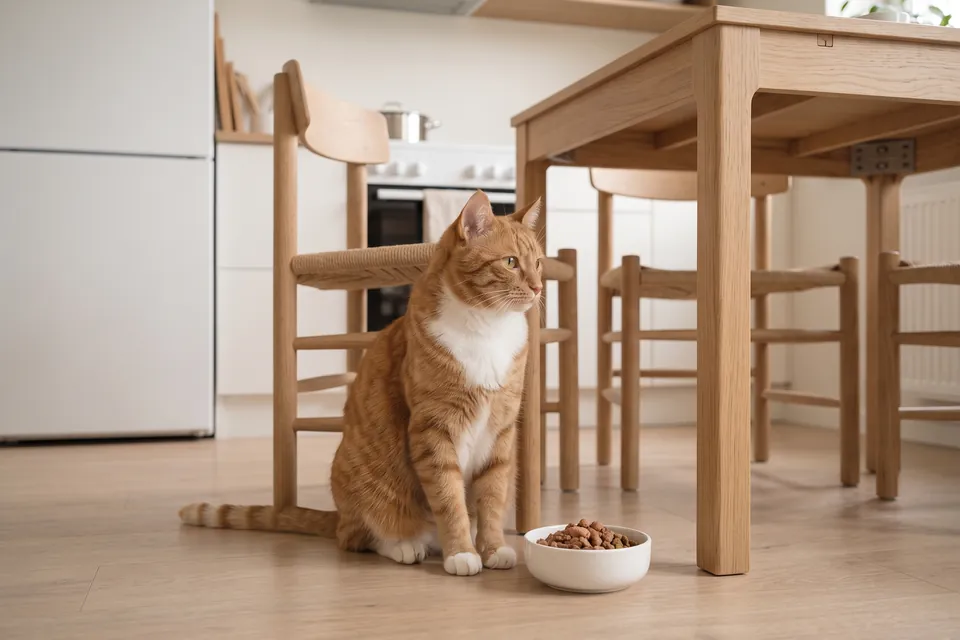 kısa cevap
No, it doesn’t.
Hayır (yemez / istemez).
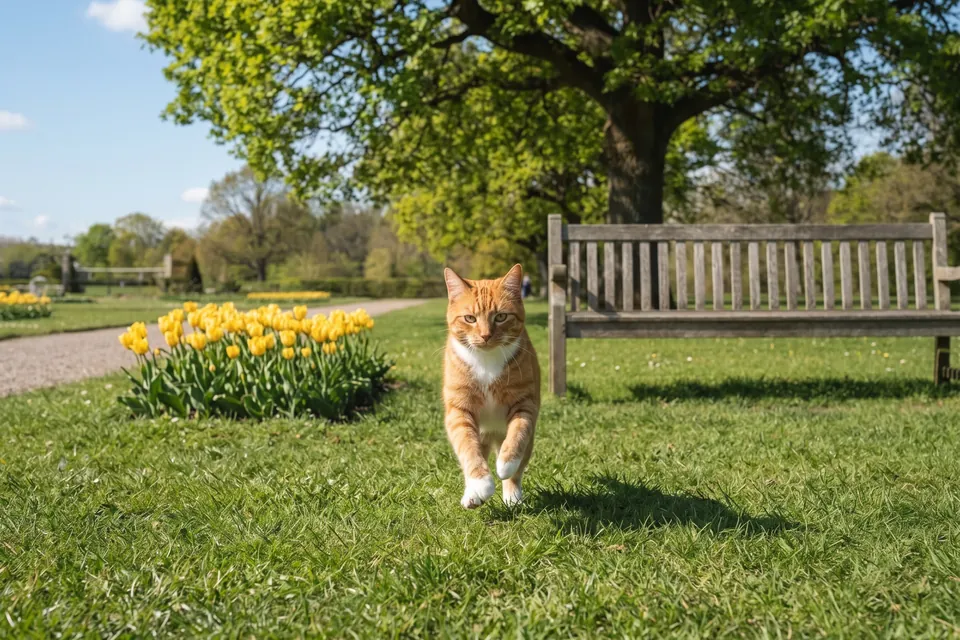 Does + it
Does the cat run in the park?
Kedi parkta koşar mı?
Do you drink tea in the morning?
Sabahları çay içer misin?
Do they live near here?
Onlar buraya yakın mı yaşıyorlar?
En sık hata: Do she live here? veya Does she lives here? Doğrusu: başta Does, fiil ise yalın → Does she live here?
Dikkat: Cümlede eylem fiili yoksa (tired, hungry, at home gibi durum varsa) Do/Does değil Are you tired? kullanılır.
Soru ve kısa cevap tablosu
Soruda da ana fiil her zaman yalındır.
| Soru | Olumlu cevap | Olumsuz cevap |
|---|---|---|
| Do I / you / we / they work? | Yes, I / you / we / they do. | No, I / you / we / they don’t. |
| Does he / she / it work? | Yes, he / she / it does. | No, he / she / it doesn’t. |
4. bölüm · Alıştırma
don’t mu, doesn’t mü, Do mu, Does mı?
Özneye dikkat et ve cümlede doesn’t ya da Does varsa ana fiilin yalın kaldığını unutma.
-
1
The cat want the red ball.
the cat = it ve want bir eylem fiilidir → doesn’t.
-
2
It doesn’t this food.
doesn’t varken fiilin sonuna bir daha -s gelmez: doesn’t like.
-
3
you drink coffee in the morning?
Sabahları kahve içer misin?
you öznesiyle ve drink fiiliyle soru Do ile başlar.
-
4
the cat like warm milk?
the cat tekil öznedir (it) → geniş zaman sorusu Does ile kurulur.
-
5
We work on Saturday.
Cumartesi günü çalışmayız.
we öznesiyle geniş zaman olumsuzu don’t ile yapılır.
-
6
Does your sister in Istanbul?
Kız kardeşin İstanbul’da mı yaşıyor?
Sorunun başında Does olduğu için fiil yalın kalır: live.
-
7
The cat doesn’t any food in its bowl.
doesn’t sonrasında has kullanılmaz; yalın biçim olan have gelir.
-
8
Does the cat eat the food? — No, it .
Does it …? sorusunun olumsuz kısa cevabı No, it doesn’t olur.