Kelimeler1 / 4
1. bölüm · Kelimeler
Sahip olduğumuz şeyler
Türkçede «Bir kardeşim var, mavi bir çantam var» deriz. İngilizcede bir kişinin ya da hayvanın neye sahip olduğunu have got ve has got anlatır.
Satıra dokun; İngilizce okunuşunu dinle.
2. bölüm · Gramer
Olumlu: have got · has got
I, you, we, they özneleriyle have got; tekil üçüncü kişi olan he, she, it ile has got kullanılır.
Günlük konuşmada I’ve got ve it’s got olarak kısalır. Örneklere bak:
Kimin neyi var?
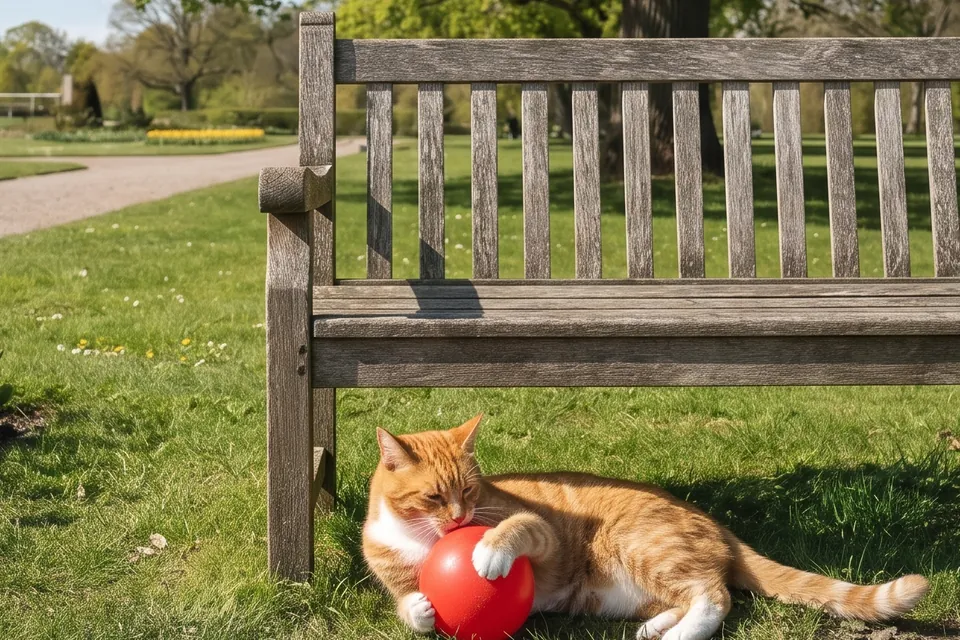 has got
The cat has got a red ball.
Kedinin kırmızı bir topu var.
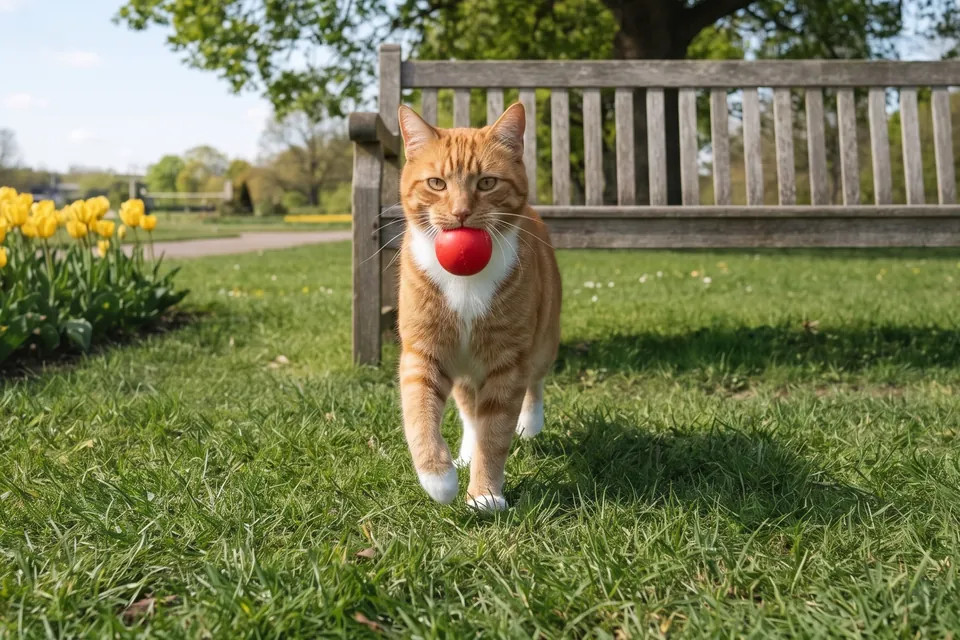 it’s got
It’s got a ball in its mouth.
Ağzında bir top var.
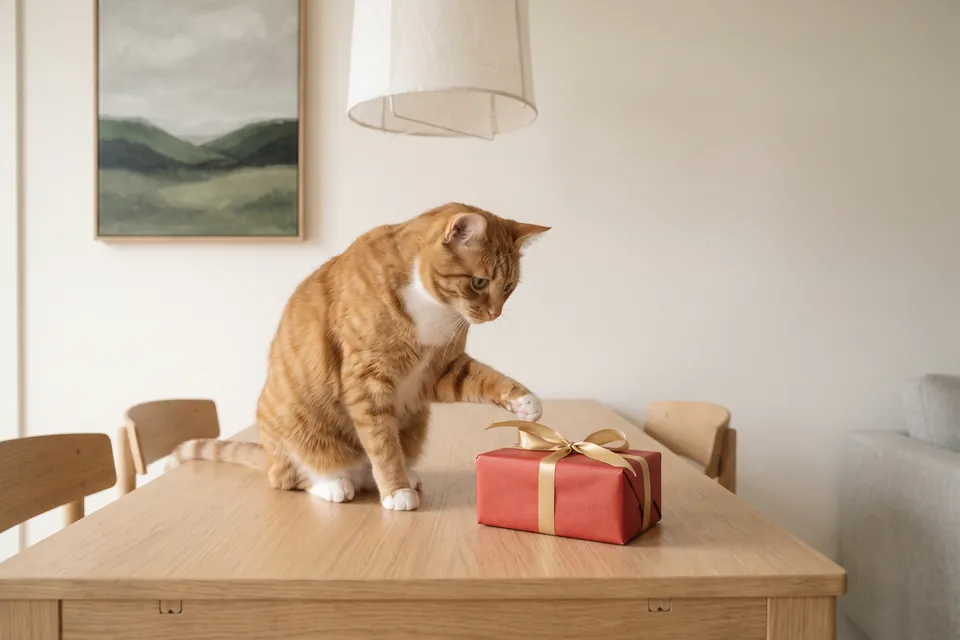 has got
The cat has got a nice gift.
Kedinin güzel bir hediyesi var.
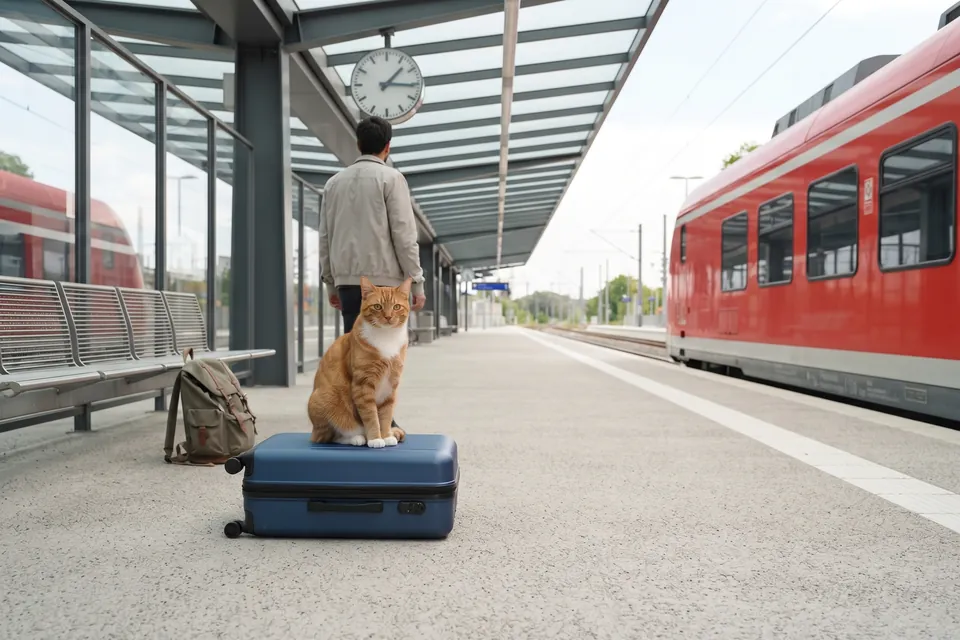 has got
Tom has got a blue suitcase.
Tom’un mavi bir bavulu var.
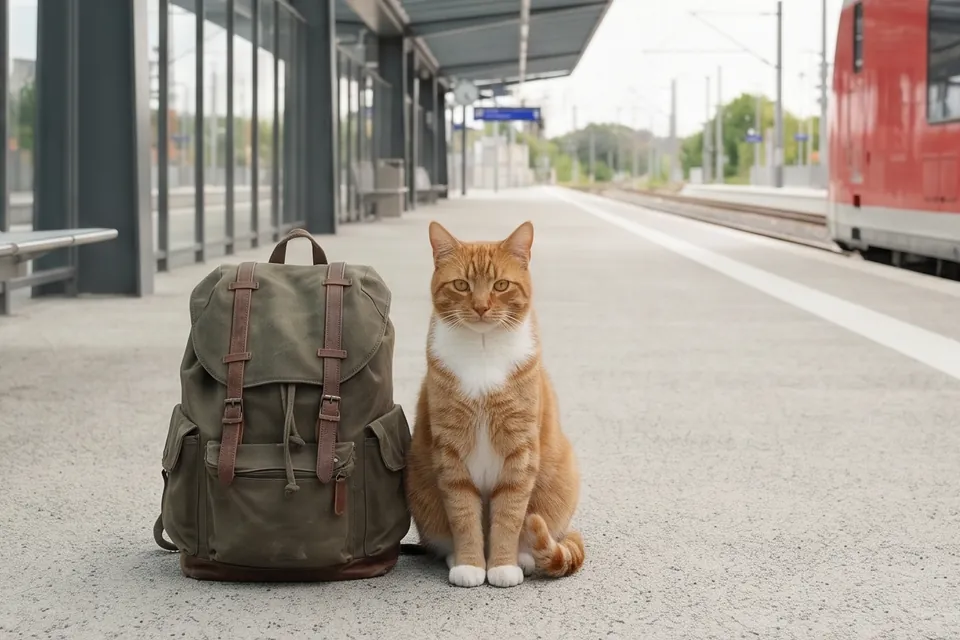 I’ve got
I’ve got a green backpack.
Yeşil bir sırt çantam var.
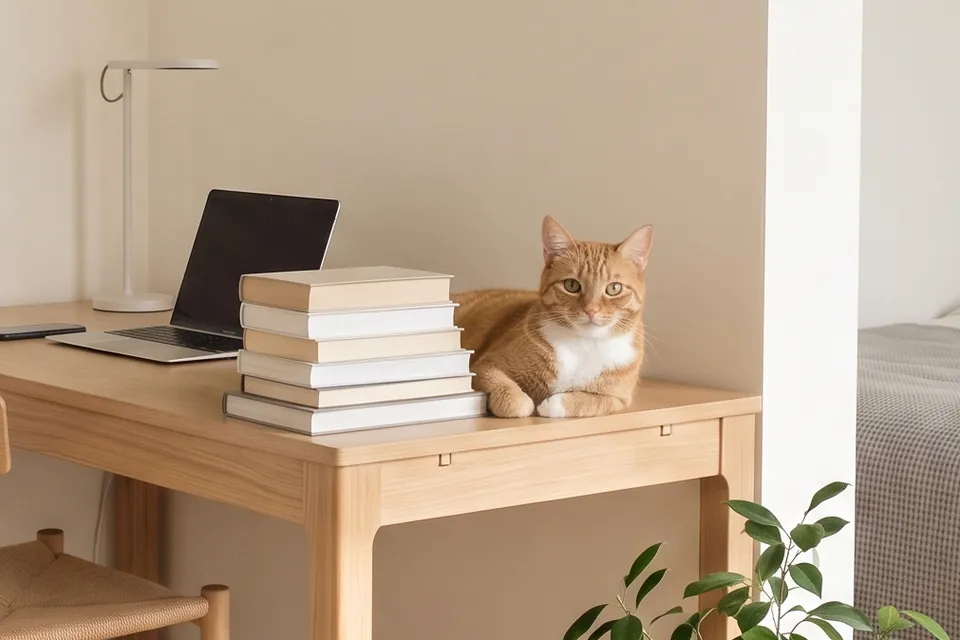 have got
We have got five books.
Beş kitabımız var.
I have got a brother and a sister.
Bir erkek ve bir kız kardeşim var.
She’s got green eyes.
Onun yeşil gözleri var.
En sık hata: cümleye fazladan am / is / are eklemek (I am have got a car ya da He is have a cat). have got / has got zaten cümlenin fiilidir; önüne am, is, are asla gelmez!
Dikkat: He’s got a car. cümlesindeki ’s, is değil has kelimesinin kısaltmasıdır (He has got).
Özne seçimi ve kısa biçim
Yalnız he, she, it öznelerinde has got kullanılır.
| Özne | Uzun biçim | Kısa biçim |
|---|---|---|
| I · you · we · they | have got a cat | I’ve · you’ve · we’ve · they’ve got |
| he · she · it | has got a cat | he’s · she’s · it’s got |
Konuşmada have ve has kısalır:
- I have got = I’ve got
- she has got = she’s got
- it has got = it’s got
3. bölüm · Gramer
Olumsuz ve soru: haven’t got · Have you got …?
Olumsuz yapmak için have / has ile got arasına not girer: haven’t got ve hasn’t got.
Soruda ise Have ya da Has öznenin önüne geçer: Have you got a pen?
- Have you got a cat? – Yes, I have.
- Has the cat got food? – No, it hasn’t.
Var mı, yok mu?
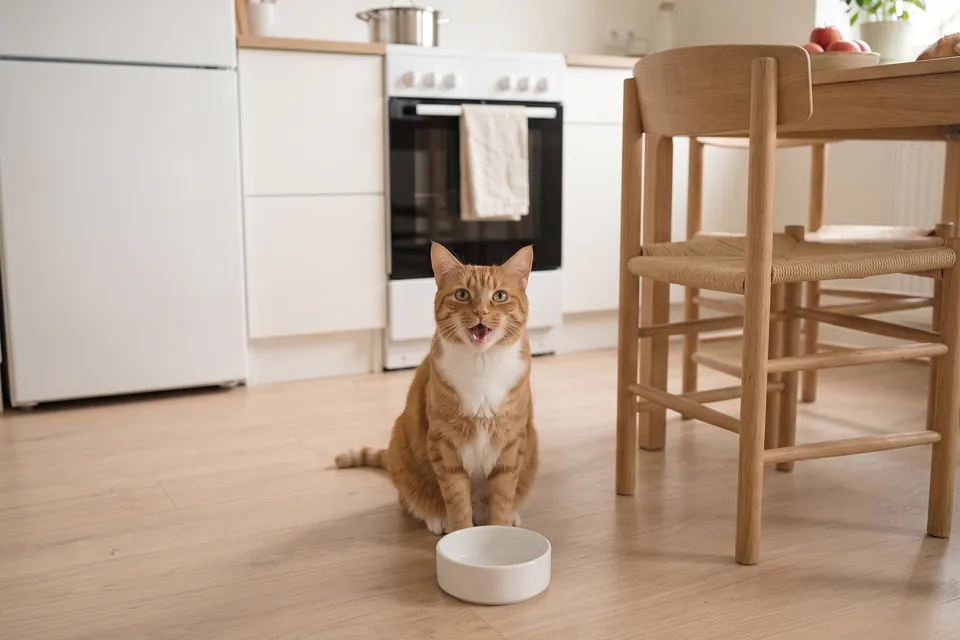 hasn’t got
The cat hasn’t got any food.
Kedinin hiç maması yok.
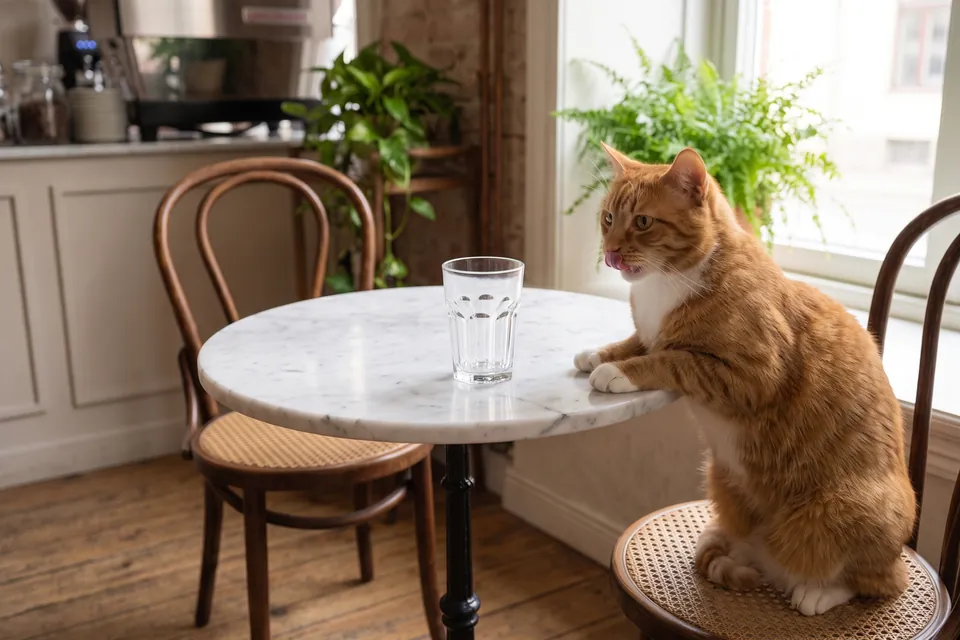 haven’t got
I haven’t got any water.
Hiç suyum yok.
Has it got…?Has the cat got a ball? — Yes, it has.
Kedinin topu var mı? — Evet, var.
Have you got…?Have you got a bag? — Yes, I have.
Çantan var mı? — Evet, var.
We haven’t got a car.
Bizim arabamız yok.
He hasn’t got a ticket.
Onun bileti yok.
Have they got a garden? — No, they haven’t.
Bahçeleri var mı? — Hayır, yok.
Kısa cevap tuzağı: Have you got a pen? sorusuna Yes, I have got. denmez! Kısa cevapta got düşer: Yes, I have. ya da No, I haven’t.
Amerikan İngilizcesinde konuşurken I have a cat de duyarsın; I have got a cat ile anlamı birebir aynıdır.
Olumsuz, soru ve kısa cevap
Kısa cevapta got kelimesi tekrar edilmez.
| Özne | Olumsuz | Soru ve kısa cevap |
|---|---|---|
| I · you · we · they | haven’t got | Have you got …? — Yes, I have. / No, I haven’t. |
| he · she · it | hasn’t got | Has she got …? — Yes, she has. / No, she hasn’t. |
4. bölüm · Alıştırma
have got mu, has got mu?
Özneye bak (tekil mi, çoğul mu?) ve doğru seçeneği işaretle.
-
1
The cat a red ball.
The cat tekil (it) olduğu için has got alır.
-
2
I five books on my desk.
I öznesiyle her zaman have got kullanılır; başına am gelmez.
-
3
The cat any food.
Tekil özne (the cat) olumsuzda hasn’t got alır.
-
4
Have you got a ticket? — Yes, I .
Biletin var mı? — Evet, var.
Kısa cevapta got tekrar edilmez: Yes, I have.
-
5
Tom a blue suitcase.
Tom (he) tekil kişidir → has got. is have yanlıştır.
-
6
she got a sister?
Onun kız kardeşi var mı?
she ile soru başında Has kullanılır: Has she got …?
-
7
We a big garden. Our house is small.
Büyük bir bahçemiz yok. Evimiz küçük.
We (biz) ile olumsuzda haven’t got kullanılır.
-
8
Has the cat got a gift? — Yes, it .
Has it got …? sorusunun kısa olumlu cevabı Yes, it has. biçimindedir.