Kelimeler1 / 4
1. bölüm · Kelimeler
Zorunluluk, yasak ve gereksizlik kalıpları
Türkçede «gitmek zorundayım» ve «gitmeliyim» dediğimiz yapıları İngilizcede have to ve must karşılar. Olumlu cümlede birbirine çok yakındırlar ama olumsuzda anlamları tamamen ayrılır!
Satıra dokun; İngilizce okunuşunu dinle.
2. bölüm · Gramer
Olumlu zorunluluk: have to / has to · must · had to
İş, okul veya saat gibi dış kurallardan kaynaklanan zorunluluklarda have to (he / she / it ile has to) çok yaygındır. Resmi kurallarda ve kendi koyduğumuz güçlü kararlarda must kullanılır.
Dikkat: must kelimesinin geçmiş zamanı yoktur! Geçmişteki zorunluluk («…-mak zorunda kaldım») her zaman had to ile söylenir:
Neyi yapmak zorunda?
 has to + fiil
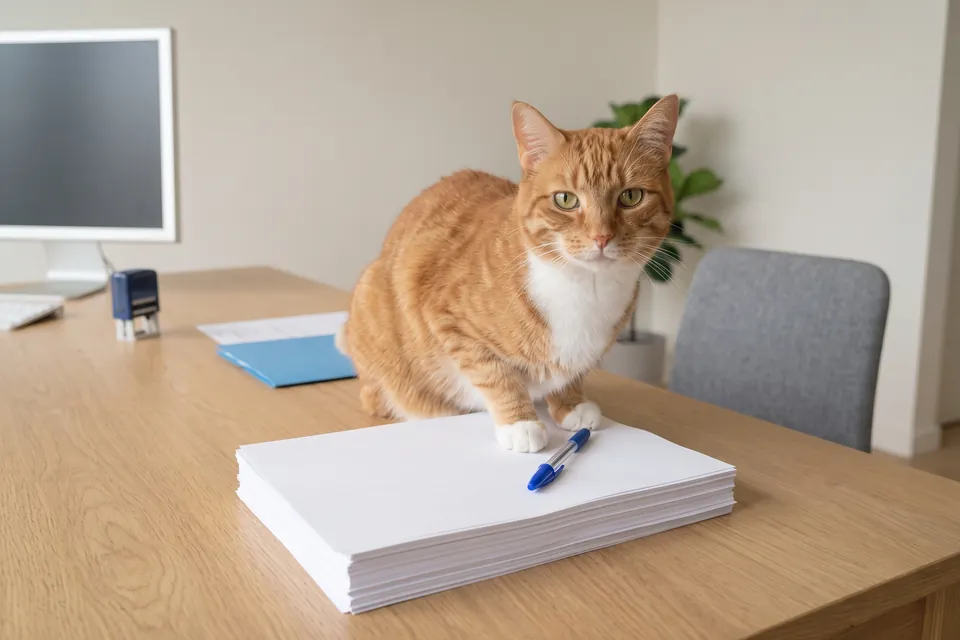
The cat has to work at the office today.
Kedi bugün ofiste çalışmak zorunda.
 has to wait
It is early. It has to wait until ten.
Saat erken. Ona kadar beklemek zorunda.
 must (kural)
You must sign this form here.
Bu formu şuradan imzalamalısınız.
 had to (geçmiş)
The cat was sick. It had to see the vet.
Kedi hastaydı. Veterinere gitmek zorunda kaldı.
I have to get up at seven every morning.
Her sabah yedide kalkmak zorundayım.
It’s late. We must go home now.
Geç oldu. Şimdi eve gitmeliyiz.
En sık hata: have to kalıbına alışıp I must to work demek! must bir kip fiilidir, arkasından doğrudan yalın fiil gelir: I must work.
Bir önceki derste öğrendiğimiz should yalnızca «iyi olur» diye tavsiye verir; have to / must ise şakası olmayan gerçek zorunluluktur.
have to ve must karşılaştırması
have to içinde zaten to vardır; must ise arkasına asla to almaz.
| Zaman / Özne | have to yapısı | must yapısı |
|---|---|---|
| I · you · we · they | I have to work. | I must work. |
| he · she · it | She has to work. | She must work. |
| Geçmiş zaman | We had to wait. | — (geçmişte yalnız had to) |
| Soru | Do you have to go? | Must we go? (nadir) |
3. bölüm · Gramer
Büyük tuzak: mustn’t (Yasak!) ≠ don’t have to (Gerek yok)
Olumlu cümlede must ve have to birbirine benzer; ama olumsuz olduklarında anlamları taban tabana zıttır!
mustn’t «Yapman yasak, sakın yapma!» demektir; don’t have to / doesn’t have to ise «Yapmana gerek yok, zorunlu değilsin (istersen yap)» demektir:
Yasak mı, yoksa gerek mi yok?
 mustn’t = yasak / tehlike
The pot is hot! The cat mustn’t touch it.
Tencere sıcak! Kedi ona dokunmamalı (yasak).
 doesn’t have to = gerek yok
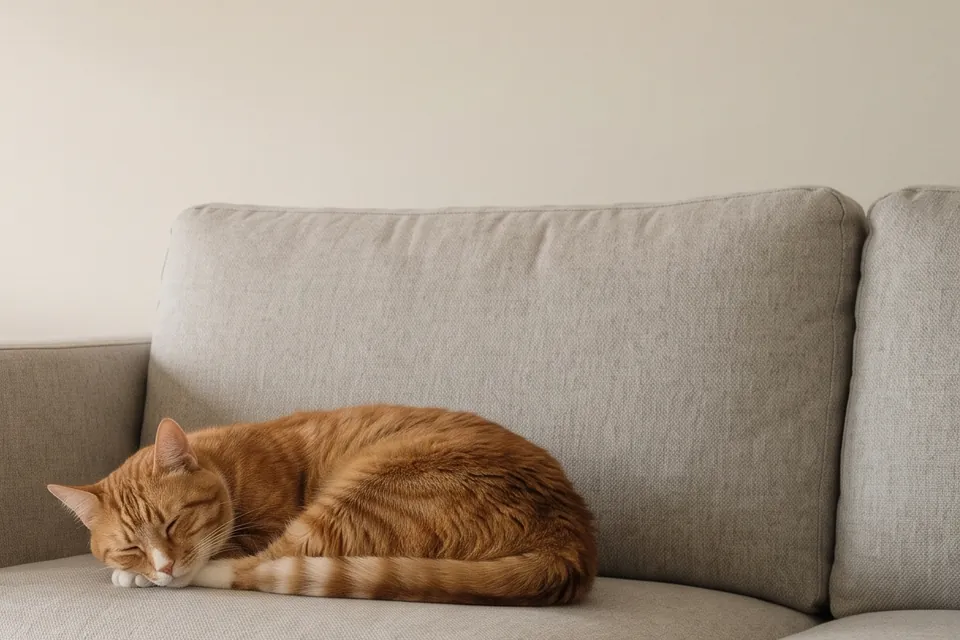
It’s Sunday! The cat doesn’t have to work.
Bugün pazar! Kedinin çalışmasına gerek yok.
 don’t have to = gerek yok
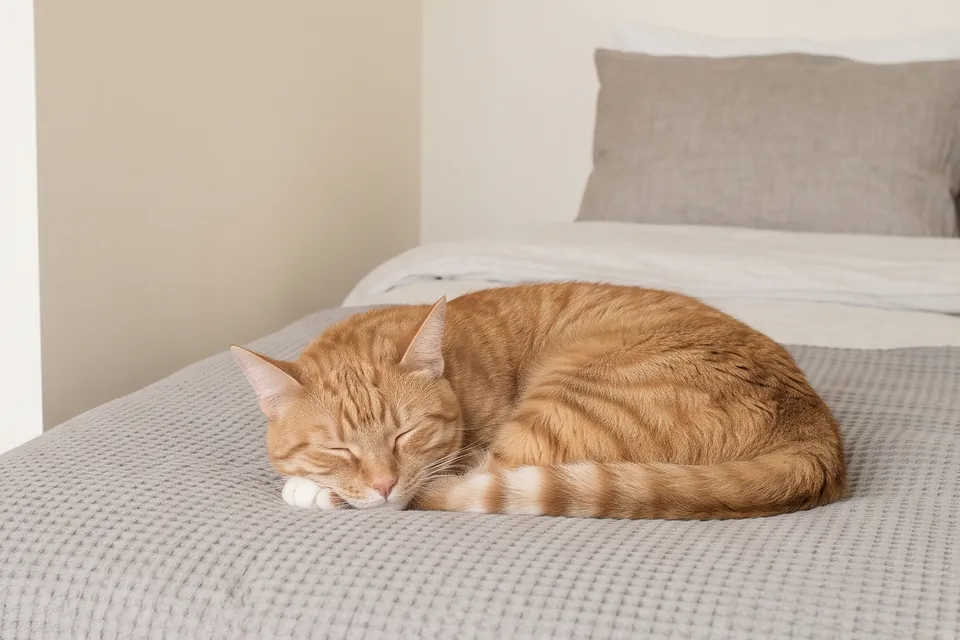
It doesn’t have to get up early today.
Bugün erken kalkmasına gerek yok.
 Does … have to?
Does the cat have to stay at the clinic?
Kedinin klinikte kalması gerekiyor mu?
You mustn’t smoke in the hospital.
Hastanede sigara içmemelisin (yasaktır).
The museum is free. You don’t have to pay.
Müze ücretsiz. Para ödemene gerek yok.
En sık hata: «Yarın erken kalkmak zorunda değilim» demek isterken I mustn’t get up early demek! Böyle dersen «Erken kalkmam yasak!» demiş olursun. Doğrusu: I don’t have to get up early.
have to olumsuz ve soru olurken geniş zaman yardımcıları (do / does / don’t / doesn’t) kullanılır: She doesn’t have to go (hasn’t to denmez!).
mustn’t ↔ don’t have to farkı
A2 sınavlarında ve günlük hayatta en çok sorulan ayrım budur.
| Yapı | Gerçek anlamı | Örnek |
|---|---|---|
| mustn’t | YASAK! Sakın yapma! | You mustn’t park here. (Buraya park etmek yasak.) |
| don’t / doesn’t have to | GEREK YOK. Zorunlu değilsin. | You don’t have to wait for me. (Beni beklemene gerek yok.) |
| didn’t have to | Geçmişte gerek kalmadı. | I didn’t have to take a taxi. (Taksi tutmama gerek kalmadı.) |
Telaffuz ipucu:
- must not = mustn’t (ortadaki ilk «t» harfi okunmaz: «masın(t)»)
4. bölüm · Alıştırma
must, mustn’t, have to mu, don’t have to mu?
Cümledeki duruma (zorunluluk, yasak, gerek yok veya geçmiş zaman) dikkat ederek doğru seçeneği işaretle.
-
1
Today is Saturday. The cat go to the office.
Cumartesi günü ofise gitmek yasak değil, yalnızca gerek yok → doesn’t have to.
-
2
Be careful! You touch that boiling pot.
Kaynayan tencereye dokunmak tehlikelidir ve yapılmamalıdır → mustn’t.
-
3
The cat works here. It be at the desk at nine.
Özne It olduğu için has to kullanılır (must to yanlıştır).
-
4
Yesterday our cat was ill, so we take it to the vet.
Yesterday (dün) geçmiş zamandır; geçmişteki zorunluluk yalnız had to ile anlatılır.
-
5
It is a secret! You tell anyone.
Bu bir sır! Kimseye söylememelisin.
Sırrı söylemek kesin olarak istenmiyor (yasak) → mustn’t.
-
6
The concert is free tonight. We buy tickets.
Bu akşam konser ücretsiz. Bilet almamıza gerek yok.
Konser bedava olduğu için bilet alma zorunluluğu yoktur → don’t have to.
-
7
What time be at the station tomorrow?
Yarın saat kaçta istasyonda olmak zorundasın?
have to ile soru sorarken yardımcı fiil do / does kullanılır: do you have to.
-
 8
8You stamp this form at the office.
must arkasından to almaz; You öznesiyle has to da kullanılmaz → must.