Kelimeler1 / 4
1. bölüm · Kelimeler
Günlük fiiller
Şimdiye kadar am, is, are ile durumu anlattık («kedi yorgun»). Şimdi eylem zamanı: içmek, uyumak, koşmak, çalışmak.
Kelimeye dokun; İngilizce okunur.
2. bölüm · Gramer
I work · she works (-s kuralı)
Her gün tekrarlanan işleri ve genel doğruları anlatırken geniş zaman kullanılır. I, you, we, they ile fiil yalın kalır.
Özne tek bir kişi veya hayvan olduğunda (he, she, it) fiilin sonuna -s gelir:
Kedinin bir günü
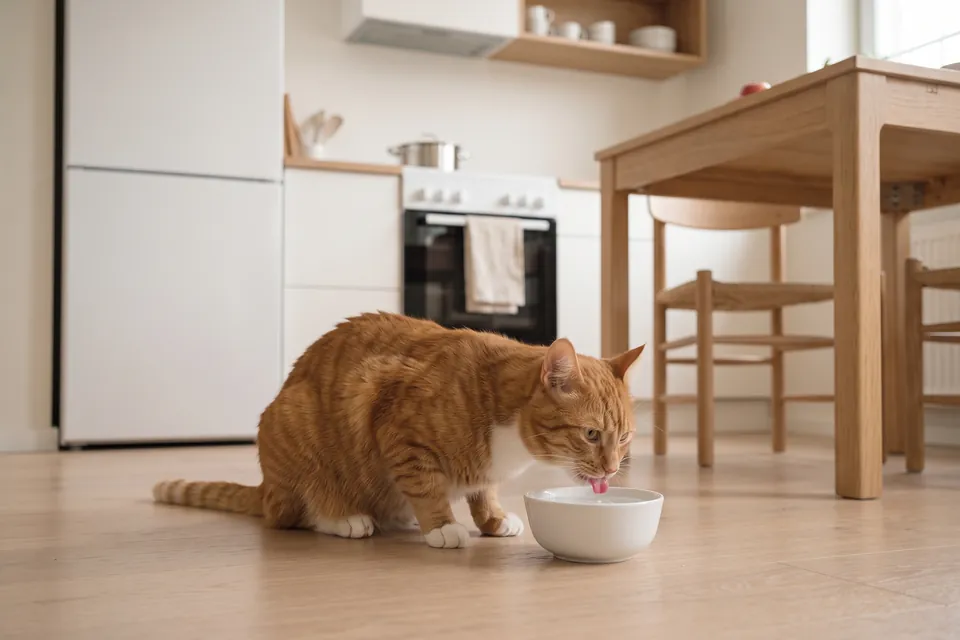 it → drinks
The cat drinks water every day.
Kedi her gün su içer.
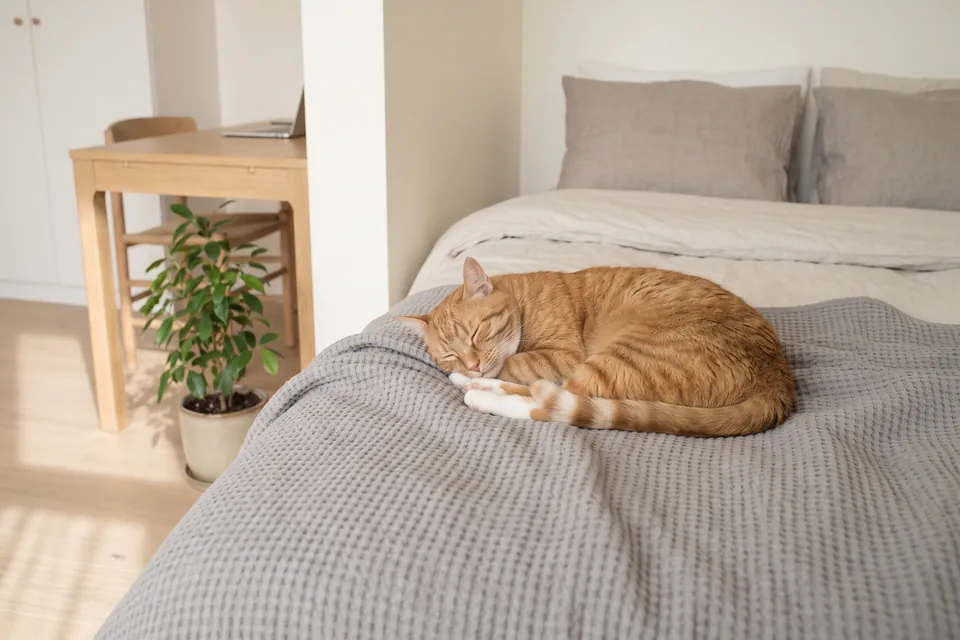 it → sleeps
It sleeps on the bed.
Yatakta uyur.
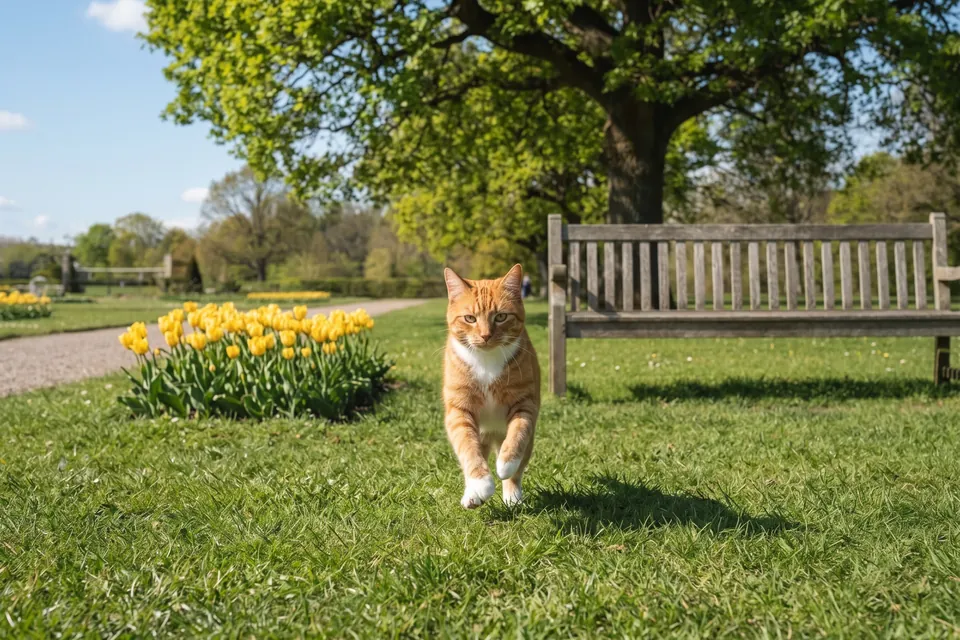 it → runs
It runs in the park.
Parkta koşar.
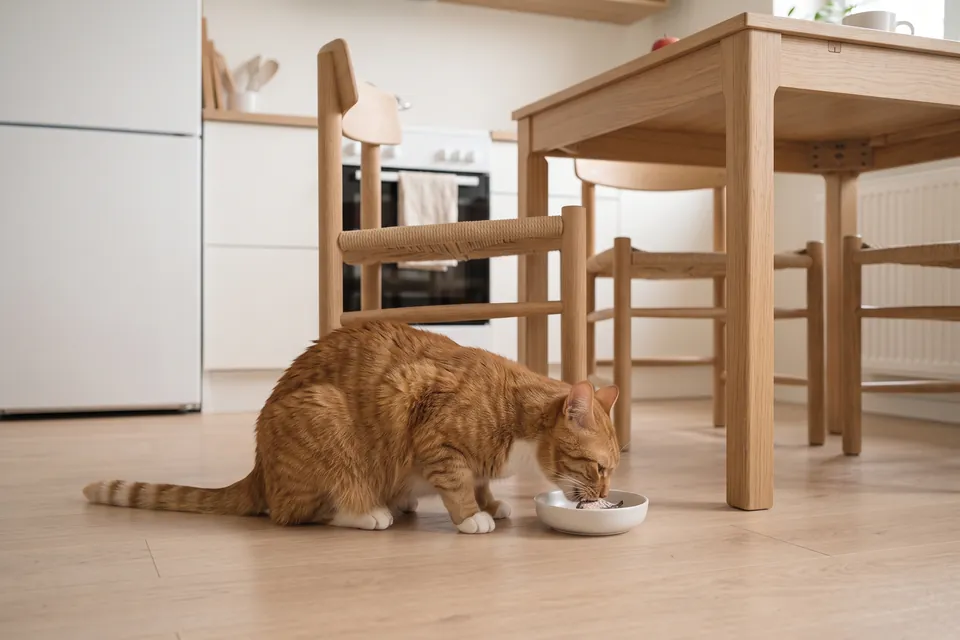 it → eats
The cat eats fish in the kitchen.
Kedi mutfakta balık yer.
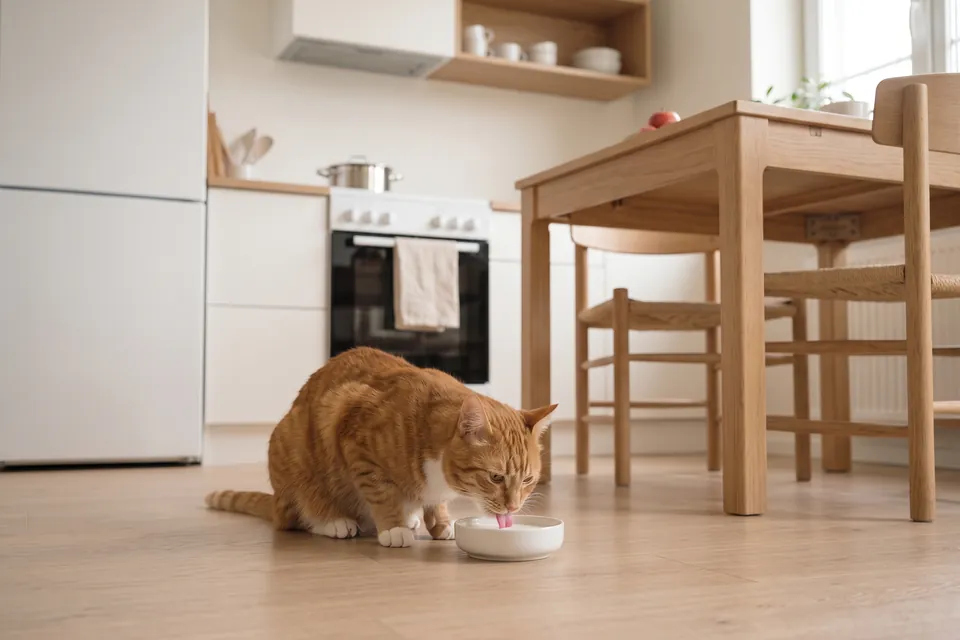 it → likes
It likes warm milk.
Ilık sütü sever.
I live in Istanbul.
İstanbul’da yaşıyorum.
We drink tea in the morning.
Sabahları çay içeriz.
She works in an office.
O bir ofiste çalışır.
En sık hata: She work here. Türkçede «o çalışır» derken özel bir ek olmadığı için İngilizcedeki -s unutulur. Doğrusu: She works here.
İkinci büyük tuzak: I am work. Geniş zamanda eylem fiili varken am, is, are kullanılmaz! Doğrudan I work denir.
Özne ve fiil çekimi
Yalnız he, she, it sonunda -s ister.
| Özne | İngilizce | Türkçe |
|---|---|---|
| ben · sen · biz · onlar | I · you · we · they work | çalışırım · çalışırsın · çalışırız · çalışırlar |
| o (erkek · kadın · hayvan) | he · she · it works | o çalışır |
3. bölüm · Gramer
Yazım kuralları: -es · -ies · has
he, she, it ile çoğu fiile yalnızca -s eklenir. Ancak sonu bazı harflerle biten fiillerde okunuşu kolaylaştırmak için -es veya -ies gelir.
Ayrıca have (sahip olmak / yemek-içmek) fiili haves olmaz, has olur:
watches · goes · studies · has
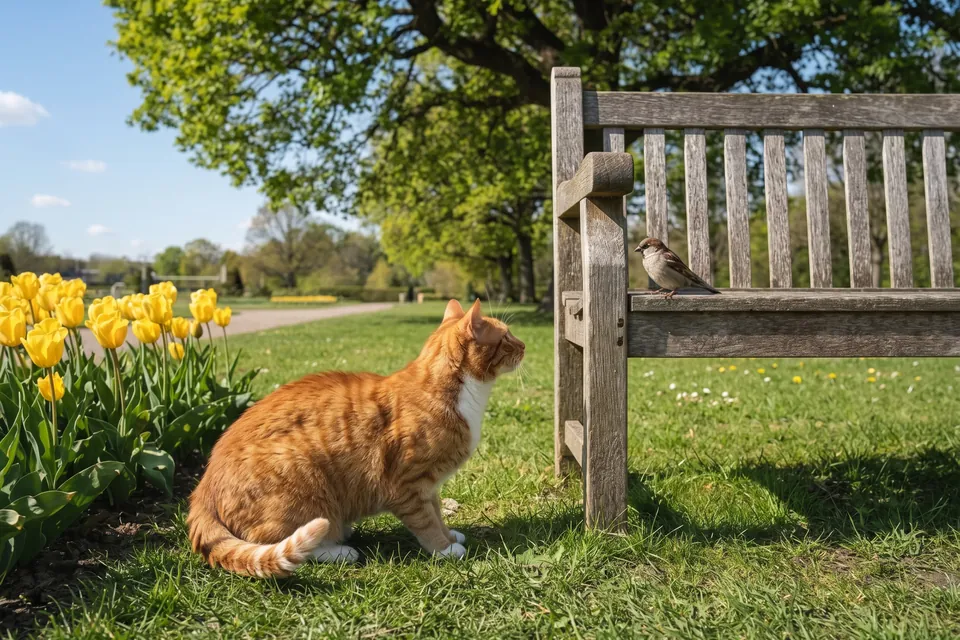 watch → watches
The cat watches the bird in the park.
Kedi parkta kuşu izler.
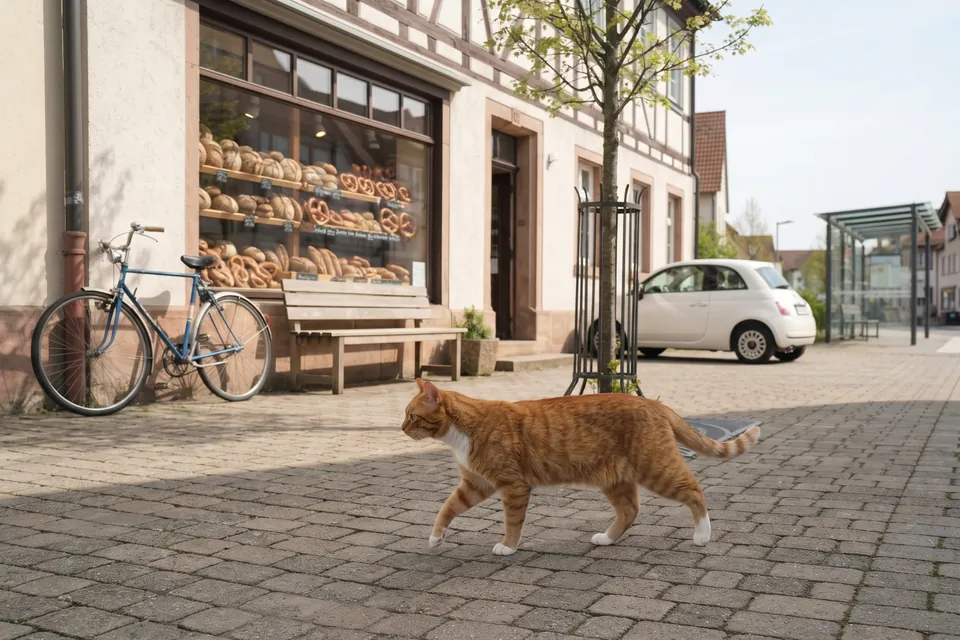 go → goes
It goes to the bakery every morning.
Her sabah fırına gider.
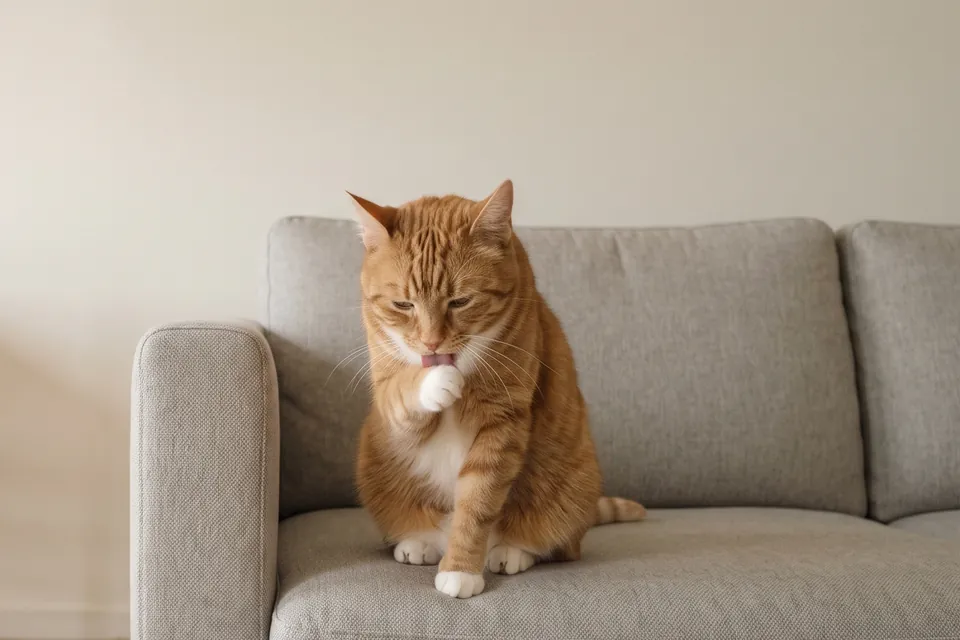 wash → washes
The cat washes its paw on the sofa.
Kedi kanepede patisini temizler.
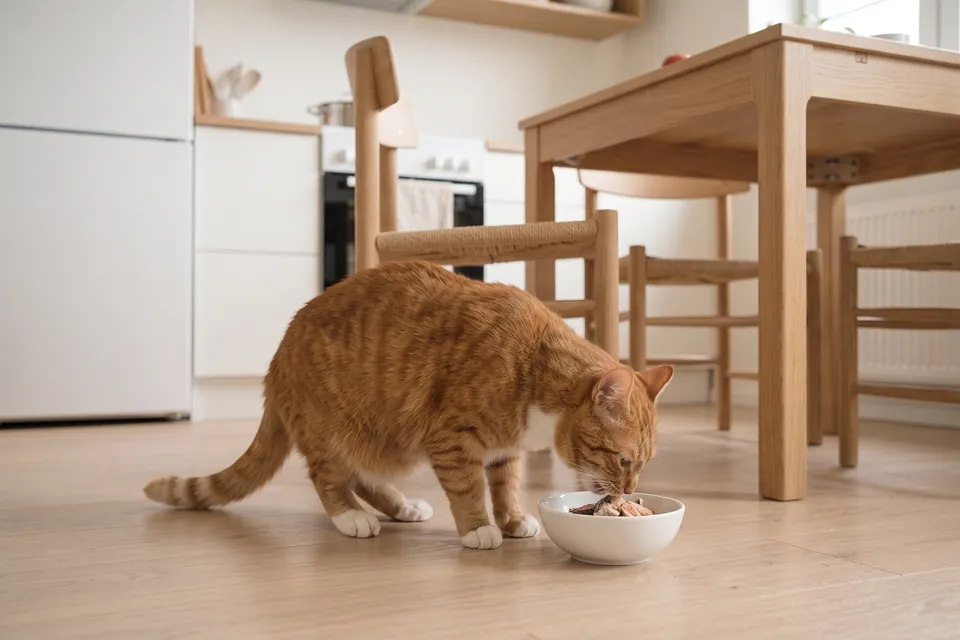 have → has
It has fish for dinner.
Akşam yemeğinde balık yer.
My brother studies English every evening.
Erkek kardeşim her akşam İngilizce çalışır.
She does her homework at home.
Ödevini evde yapar.
Dikkat: study → studies olur çünkü y’den önce ünsüz (d) vardır. Ama play → plays olur çünkü y’den önce ünlü (a) vardır.
İsme gelen -s ismin çoğulunu yapar (two cats = iki kedi). Fiile gelen -s ise çoğul değil, tam tersine tekil (he/she/it) işaretidir!
he · she · it yazım tablosu
Son harfe göre gelen ek değişir.
| Kural | Yalın fiil | he · she · it ile |
|---|---|---|
| çoğu fiil → -s | work · eat · sleep | works · eats · sleeps |
| -ch, -sh, -s, -x, -o → -es | watch · wash · go · do | watches · washes · goes · does |
| ünsüz + y → -ies | study · cry · fly | studies · cries · flies |
| ünlü + y → -s | play · stay | plays · stays |
| düzensiz | have | has |
4. bölüm · Alıştırma
Yalın mı, -s takılı mı?
Önce cümlenin öznesini bul: I/you/we/they mi, yoksa tek bir kişi veya hayvan (he/she/it) mı?
-
1
The cat water every day.
the cat tekil öznedir (it) → geniş zamanda fiil -s alır: drinks.
-
2
We in Ankara.
Ankara’da yaşıyoruz.
we ile fiil yalın kalır ve önüne are gelmez: live.
-
3
The cat the bird in the park.
watch fiili -ch ile biter; it öznesiyle -es alır: watches.
-
4
She in a hospital.
O bir hastanede çalışır.
she öznesiyle fiilin sonuna -s gelir; She work yanlıştır.
-
5
It to the bakery every morning.
go fiili he/she/it ile -es alır: goes.
-
6
My sister English at university.
Kız kardeşim üniversitede İngilizce okur.
My sister = she; study fiili ünsüz + y ile bittiği için studies olur.
-
7
The cat fish for dinner.
have fiilinin he/she/it biçimi düzensizdir: has.
-
8
I eight hours at night.
Gece sekiz saat uyurum.
I öznesiyle fiil yalın kullanılır (sleep); önüne am gelmez.