Kalıplar1 / 4
1. bölüm · Kalıplar
Söz aktarma fiilleri ve zaman dönüşümleri
Birinin söylediği cümleyi daha sonra başkasına aktarırken (reported speech), İngilizcede giriş fiili geçmişte (said, told) olduğu için içerideki fiil de bir adım geçmişe kayar.
Satıra dokun; İngilizce okunuşunu dinle.
2. bölüm · Gramer
Zaman kaydırma (backshift): bir adım geçmişe
Cümleye He said (that)… veya She told me (that)… ile başladığımızda, konuşma artık geçmişte kalmıştır. Bu yüzden aktarılan cümlenin fiili bir derece eskiye çekilir: is → was, work → worked, is working → was working.
Kip fiilleri ve geçmiş zamanlar da bir adım geriye gider: will → would, can → could; past simple (V2) ve present perfect (have/has + V3) ise had + V3 olur.
Ne dedi? Ne söyledi?
 is → was
The vet said the cat was healthy.
Veteriner kedinin sağlıklı olduğunu söyledi.
 are taking → were taking
Tom said they were taking the red train.
Tom kırmızı trene bineceklerini söyledi.
 can → could
The repairman told us he could fix the fridge.
Tamirci bize buzdolabını onarabileceğini söyledi.
 drank / has drunk → had drunk
Mert said the cat had drunk all the milk.
Mert kedinin bütün sütü içtiğini söyledi.
Ece said she liked her new office.
Ece yeni ofisini sevdiğini söyledi.
He told me he would call me in the evening.
Bana akşam beni arayacağını söyledi.
En sık hata: Türkçede «Geleceğini söyledi» derken gelecek zaman korunduğu için He said he will come demek! Giriş fiili said / told olduğunda will mutlaka would olur: He said he would come.
Söylenen şey hâlâ doğruysa konuşmada kaydırma bazen yapılmaz (She said she is tired); yazıda ve sınavda kaydırmak en güvenlisidir.
Doğrudan cümlede hem geçmiş zaman (I lost my bag) hem de present perfect (I’ve lost my bag) dolaylı anlatıma geçerken had + V3 (he had lost his bag) yapısında birleşir.
Doğrudan söz ↔ Dolaylı anlatım (Zaman kaydırma)
that bağlacı («…olduğunu») konuşma dilinde çoğu zaman atılır: She said (that) she was tired.
| Doğrudan söz (Direct Speech) | Dolaylı anlatım (Reported Speech) | Kural |
|---|---|---|
| «I am tired.» | She said she was tired. | am / is → was · are → were |
| «I live in Izmir.» | He said he lived in Izmir. | V1 (present) → V2 (past) |
| «I am working.» | She said she was working. | am/is -ing → was/were -ing |
| «I will help you.» | He told me he would help me. | will → would · can → could |
| «I bought / have bought bread.» | She said she had bought bread. | V2 / have V3 → had + V3 |
3. bölüm · Gramer
say mi, tell mi? · zamir ve zaman ifadeleri
say ve tell Türkçe ikisi de «söylemek» diye çevrilir ama dilbilgisi kuralları farklıdır: tell arkasından mutlaka kime söylendiğini (told me, told us, told Ece) alır. say ise doğrudan kişi almaz (said (that)…); kişi eklenecekse said to me denir.
Sözü başka bir gün ve başka bir yerde aktardığımız için zamirler (I → he/she) ile zaman ve yer kelimeleri de değişir (today → that day, tomorrow → the next day, here → there).
- What did Ece say on the phone? – She <b>said</b> she was on the bus and <b>told me</b> she would arrive in ten minutes.
Bana söyledi · O gün, ertesi gün
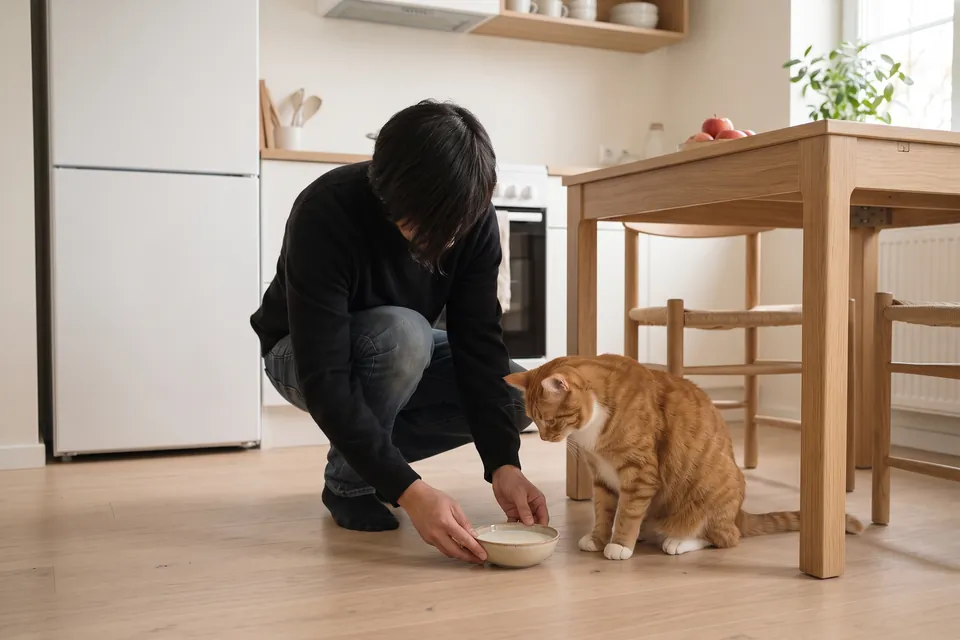 told + kişi (me)
Ece told me she had poured some milk for the cat.
Ece bana kedi için biraz süt koyduğunu söyledi.
 said (kişisiz) · that day
Ali said the cat was resting in bed that day.
Ali kedinin o gün yatakta dinlendiğini söyledi.
She told us she would leave the next day.
Bize ertesi gün yola çıkacağını söyledi.
Mert said he had met his friends the day before.
Mert bir gün önce arkadaşlarıyla buluştuğunu söyledi.
They told me they loved living there.
Bana orada yaşamayı çok sevdiklerini söylediler.
En sık hata: She said me veya He told that demek! Boşluktan hemen sonra me, you, him, her, us, them, Ali gibi bir kişi varsa told, kişi yoksa said seçilir.
Zamir dönüşümüne dikkat et: Zeynep «I forgot my umbrella» dediğinde, sözü kendi ağzımızdan aktardığımız için Zeynep said she had forgotten her umbrella deriz.
say ↔ tell ve zaman/yer dönüşümleri
She said me ve He told that İngilizcede en sık yapılan iki kalıp hatasıdır.
| Konu | Doğru kullanım | Yanlış kullanım / Dönüşüm |
|---|---|---|
| say (kişisiz) | She said (that) she was busy. | She said me that… (YANLIŞ) |
| tell (kişiyle) | She told me (that) she was busy. | She told that… / told to me (YANLIŞ) |
| Zaman ifadeleri | that day · the next day · the day before | today · tomorrow · yesterday karşılığı |
| Yer ve işaret | there · that | here · this karşılığı |
4. bölüm · Alıştırma
Dolaylı anlatımı doğru kur
Boşluktan sonra kişi zamiri olup olmadığına (said ↔ told) ve zaman kaydırmaya dikkat et.
-
1
Ece me that she was very tired.
Ece bana çok yorgun olduğunu söyledi.
Boşluktan hemen sonra kişi zamiri (me) geldiği için told kullanılır. said me yanlıştır.
-
2
The vet said that the cat healthy.
Giriş fiili geçmişte (said) olduğu için is bir adım geçmişe kayar: was. Özne tekil (the cat) → were değil.
-
3
Mert said he call us the next day.
Mert ertesi gün bizi arayacağını söyledi.
Dolaylı anlatımda will geçmiş biçimi olan would yapısına dönüşür.
-
4
They that the train was late.
Trenin geciktiğini söylediler.
Boşluktan sonra kişi (me, us) gelmediği ve doğrudan that geldiği için said seçilir.
-
5
Last week the repairman told us he fix the fridge the next day.
told geçmiş zaman olduğu için doğrudan sözdeki can bir adım geriye kayar: could.
-
6
Ali said the cat all the milk.
Geçmişte bitmiş eylem dolaylı anlatımda past perfect (had + V3) olur: had drunk.
-
7
Yesterday Tom told me they the red train that day.
Doğrudan sözdeki şimdiki zaman (are taking), dolaylı anlatımda were taking olur.
-
8
Last Monday, Zeynep told me she had a meeting .
Geçen pazartesi Zeynep bana o gün bir toplantısı olduğunu söyledi.
Dolaylı anlatımda today («bugün») ifadesi that day («o gün») olarak aktarılır.